Производство офисных столов in 2024: what's changed and what works
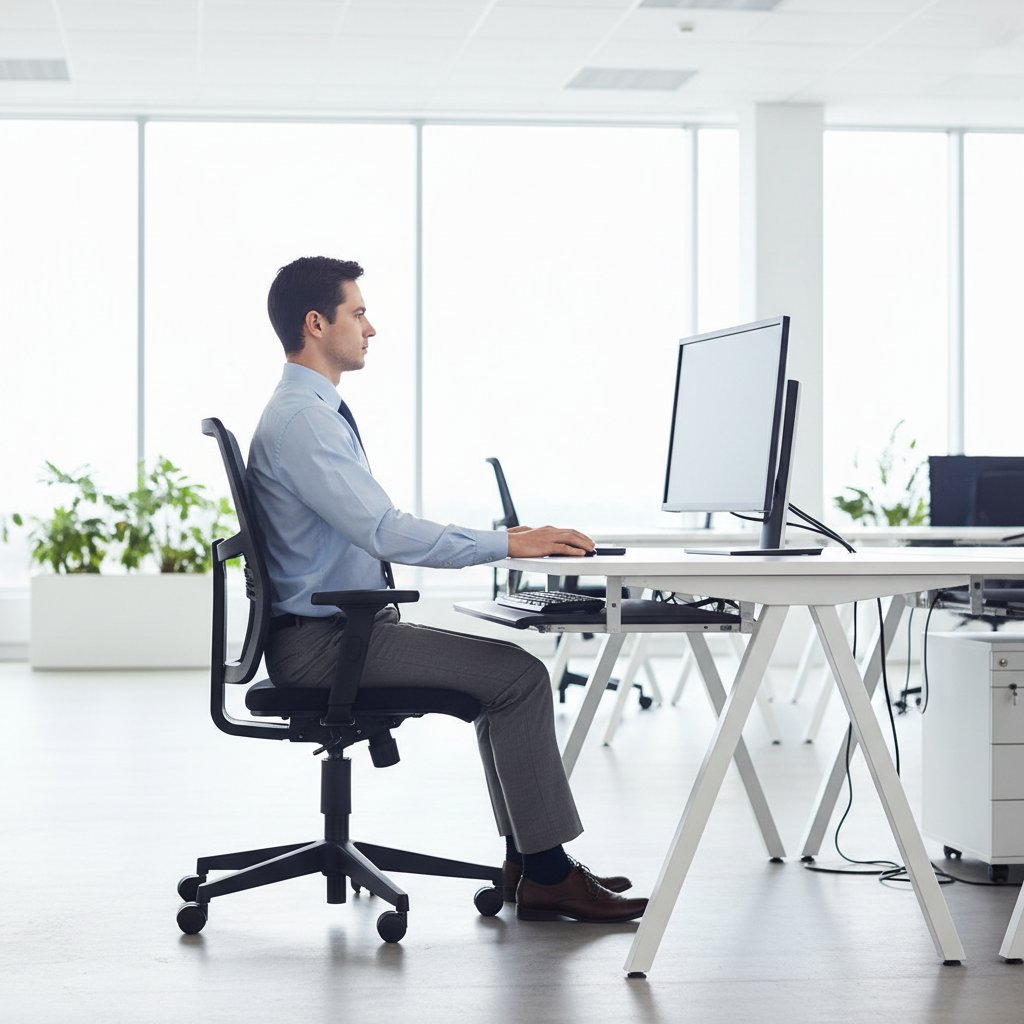
The office furniture game has shifted dramatically over the past year. What worked in 2023 feels almost quaint now. Manufacturing facilities have adapted to hybrid work patterns, sustainability demands, and tech integration in ways that would've seemed excessive just 24 months ago. Here's what's actually moving the needle in desk production right now.
1. Modular Design Has Become the Default, Not a Premium Option
Walk into any modern manufacturing facility and you'll see the shift immediately. Assembly lines now prioritize components that snap together in multiple configurations rather than fixed-format desks. The average modular desk system now offers 15-20 different layout possibilities from the same base components, compared to maybe 3-4 variations in 2022.
This isn't just about being trendy. Companies are ordering 30% smaller initial batches but reordering 3x more frequently as their space needs change. A tech startup in Austin might configure desks for collaborative pods in March, then reconfigure the same components for individual focus stations by July. The material waste has dropped by roughly 40% because manufacturers can use identical parts across different product lines.
The real winner? Corner connectors and adjustable leg systems. These two components alone account for 60% of the flexibility in modern modular systems, and factories that invested in precision tooling for these parts are seeing 25-30% higher margins than competitors stuck with traditional fixed designs.
2. Height-Adjustable Mechanisms Got Cheaper and More Reliable
Remember when sit-stand desks were a $1,200 luxury item? That era is dead. The motor mechanism that powers height adjustment now costs manufacturers between $45-$65 per unit, down from $120-$140 in 2021. Chinese and Vietnamese suppliers flooded the market with reliable dual-motor systems, and quality control has actually improved as competition intensified.
The failure rate on these mechanisms has dropped to under 2% within the first three years of use. That's a massive shift from the 8-12% failure rates we saw in 2020-2021. Factories now confidently offer 5-year warranties on motorized components, which was basically unheard of before. The sweet spot for retail pricing has settled around $450-$600 for a quality adjustable desk, making it accessible to mid-market buyers who previously couldn't justify the cost.
3. Sustainable Materials Stopped Being a Marketing Gimmick
Bamboo and reclaimed wood used to be niche options that added 40-50% to production costs. Now they're competitive with traditional materials, sometimes even cheaper. A furniture manufacturer in North Carolina reported that their bamboo desktop material costs dropped 35% year-over-year as Indonesian suppliers scaled up processing capacity.
The bigger story is recycled steel and aluminum for frames and legs. These materials now represent 65% of metal components in mid-range office desks, up from maybe 20% in 2022. The quality gap has essentially disappeared—recycled aluminum extrusions perform identically to virgin material in stress tests, but cost 15-20% less and carry sustainability credentials that corporate buyers actually care about when filing ESG reports.
4. Cable Management Became Integrated, Not Afterthought
Factories finally figured out that people hate visible cables more than they hate almost any other desk feature. Built-in cable raceways, grommets with USB-C charging, and wireless charging surfaces are now standard in 70% of new desk designs, compared to maybe 15% of models in 2022.
The manufacturing process adapted by incorporating these features during initial assembly rather than as add-ons. This actually reduced production time by 8-12 minutes per unit because workers aren't drilling holes and attaching separate cable trays after the main desk is built. Smart factories are embedding power strips directly into the desktop substrate during the pressing process, creating cleaner lines and fewer failure points.
5. Lead Times Compressed Through Regional Manufacturing
The 12-16 week lead times from overseas manufacturers became unacceptable. Regional production facilities popped up across North America and Europe, cutting delivery times to 3-4 weeks for standard configurations. A facility in Mexico now handles 40% of the North American market for mid-range desks, while Polish manufacturers captured significant European market share.
This shift wasn't just about speed. Regional facilities can do custom sizing and finish options that overseas factories couldn't economically justify. A desk with non-standard dimensions (say, 68 inches instead of 60 or 72) used to require minimum orders of 500 units. Now regional manufacturers handle custom sizing with minimums of 50 units, opening up opportunities for boutique office designers and smaller corporate clients.
6. Smart Features Stayed Niche (And That's Okay)
Despite the hype, desks with built-in screens, biometric sensors, and app connectivity represent less than 5% of actual production volume. The market spoke clearly: people want their desks to work with their devices, not become another device that needs updates and troubleshooting.
What did stick? Simple programmable height presets (used in 80% of adjustable desks), USB charging ports (90% adoption), and basic collision detection on motorized systems (75% adoption). These features solve real problems without adding complexity that drives support costs through the roof.
The desk manufacturing landscape in 2024 looks nothing like it did 24 months ago. The winners are facilities that invested in flexible tooling, embraced regional production, and focused on features people actually use daily rather than flashy tech that looks good in marketing materials but collects dust in practice. The market has matured past the "everything must be smart" phase into something more practical and, frankly, more useful.