Why most Производство офисных столов projects fail (and how yours won't)
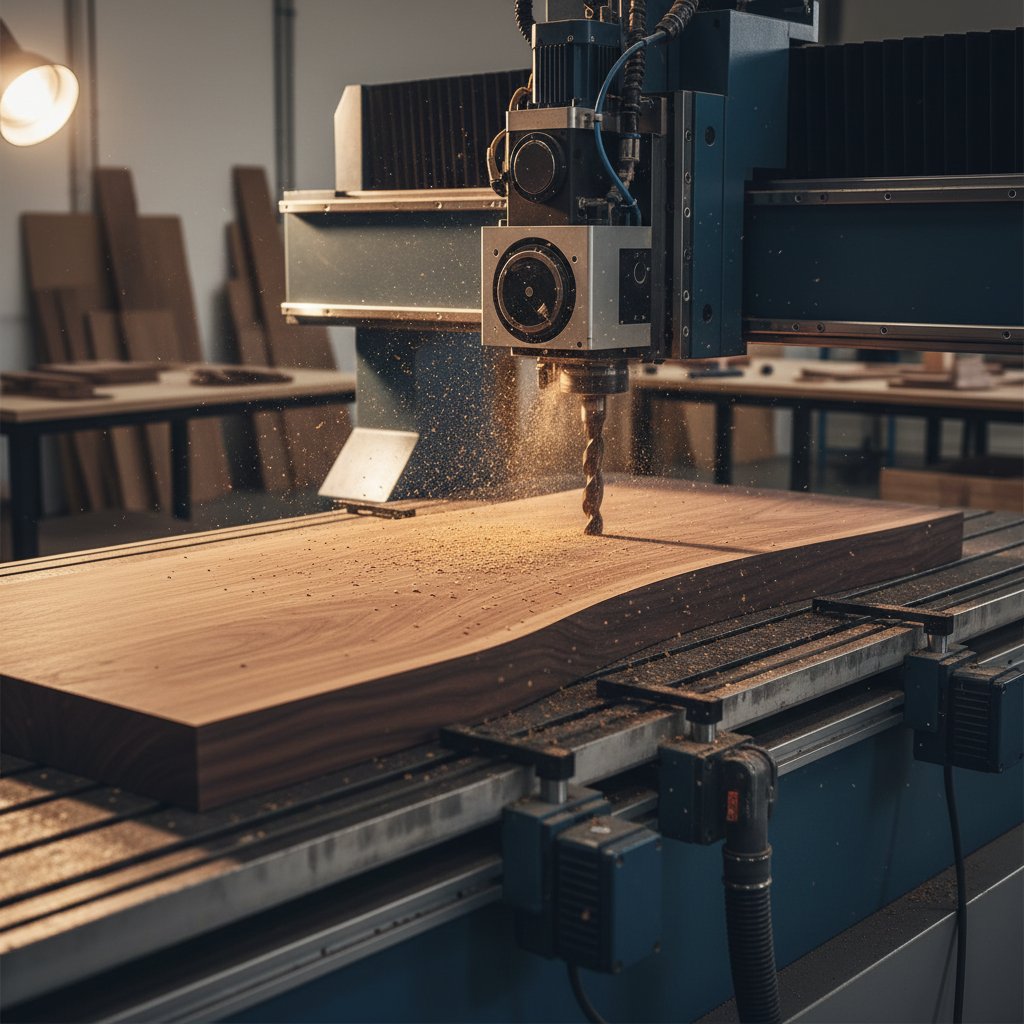
The $47,000 Mistake Nobody Talks About
Last month, a mid-sized furniture manufacturer in Poland scrapped 340 office desks because the leg assembly didn't align with the pre-drilled holes in the tabletops. The entire production run—three weeks of work—ended up as scrap wood. The culprit? A 2mm measurement error that nobody caught until final assembly.
This isn't an isolated incident. Office desk manufacturing projects crash and burn at an alarming rate, and the reasons are frustratingly preventable.
Why Desktop Manufacturing Dreams Turn Into Nightmares
Here's the uncomfortable truth: most office furniture production failures don't stem from lack of skill or bad equipment. They fail because of three critical blind spots that manufacturers consistently ignore.
The Material Procurement Trap
You've locked in a contract to deliver 500 desks in eight weeks. Your supplier promises delivery of laminated particleboard within two weeks. Week three arrives. No materials. Week four? Still waiting. By week five, you're scrambling to find alternative suppliers at 30% higher costs, and your profit margin just evaporated.
Sound familiar? Material delays account for 62% of failed delivery deadlines in furniture manufacturing. The real kicker: most manufacturers work with a single supplier to "maintain relationships" without backup options.
The Hidden Cost of Inadequate Prototyping
A manufacturer in Lithuania once told me they skipped the prototype phase on a standing desk model to save three weeks. They went straight to producing 200 units. The hydraulic lifting mechanism they specified couldn't handle desks loaded beyond 15kg—barely enough for a laptop and monitor. Every single unit required rework, costing them €23,000 in parts and labor.
Prototyping feels expensive until you compare it to full-production failures. A proper prototype costs around €800-1,200. A failed production run? Try €20,000-50,000.
Quality Control Theater
Most factories have "quality checks." But here's what actually happens: one person eyeballs finished desks at the end of the line, checking maybe 1 in 10 units. Structural issues, finish inconsistencies, and hardware problems slip through until a client rejects an entire shipment.
Red Flags That Your Project Is Headed for Disaster
Watch for these warning signs in the first two weeks:
- Your CAD drawings have fewer than three revision cycles – Complex products need iteration. If everything's "perfect" on draft one, somebody isn't thinking hard enough.
- Material lead times aren't documented in writing – Verbal promises from suppliers are worth exactly nothing when you're explaining delays to angry clients.
- No load-bearing tests planned – Office desks need to support 50-80kg consistently. If you're not testing this, you're gambling.
- Your production timeline has zero buffer days – Murphy's Law loves furniture manufacturing. Build in 15-20% time cushion.
The Five-Step Recovery Plan
Step 1: Lock Down Material Sources (Plural)
Identify three suppliers for each critical material. Yes, three. Get written quotes with delivery guarantees. Calculate costs assuming your primary supplier falls through—because they might.
Step 2: Build a Real Prototype, Then Break It
Construct your desk exactly as you plan to manufacture it. Then abuse it. Load it with 100kg. Scratch the surface. Tighten and loosen the hardware five times. If it survives your torture test, it'll survive an office environment.
Budget 8-12 days for this phase. The time investment prevents month-long disasters.
Step 3: Create Checkpoint Inspections, Not End-Line Theater
Quality checks need to happen at four stages: material receipt, post-cutting, pre-assembly, and final inspection. Assign specific metrics at each checkpoint. For example, check that particleboard thickness measures 18mm (±0.3mm) before any cutting begins.
Step 4: Document Everything With Photos
Take photos at every production stage. When (not if) something goes wrong, you can trace back exactly where the process broke down. This saved a Czech manufacturer €15,000 when they proved a finish defect originated from supplier materials, not their application process.
Step 5: Run a Pilot Batch of 25-50 Units
Never go straight to full production. A pilot batch reveals assembly bottlenecks, timing miscalculations, and quality issues while the stakes are manageable. You'll spend an extra week upfront but avoid catastrophic failures later.
Making Failure Impossible
The manufacturers who consistently deliver profitable desk projects share one habit: they assume something will go wrong and plan accordingly. They maintain supplier relationships with multiple vendors. They prototype until they're bored. They check quality so often it feels excessive.
That Polish manufacturer I mentioned earlier? They now run tolerance checks at three production stages. Haven't scrapped a batch in 14 months. Sometimes paranoia pays dividends.
Your office desk manufacturing project doesn't need to join the failure statistics. It just needs you to respect the gaps where disasters hide—and plug them before production starts.